
Usapang Pananamit: Conversations with Culture Bearers at Habing Katutubo 2025

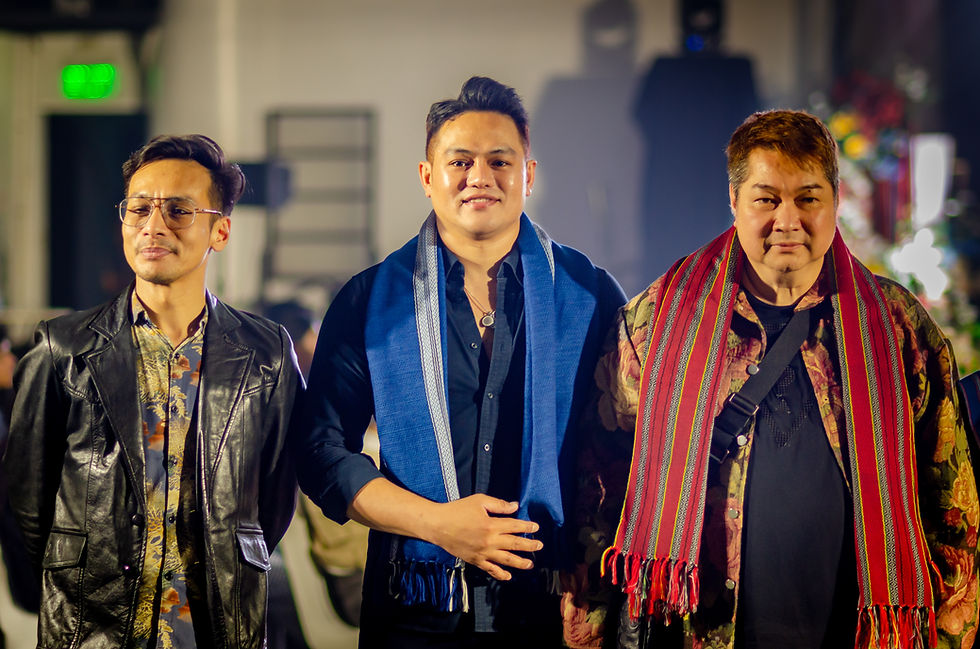
Usapang Pananamit: Conversations with Culture Bearers, held on November 29, 2025, formed a key intellectual and cultural segment of Habing Katutubo 2025 at the SMX Convention Center Aura. Designed as an open dialogue, the session created a respectful space where Indigenous knowledge holders and cultural practitioners shared lived narratives behind traditional attire—bridging heritage, identity, and contemporary relevance.
The session opened with an introduction by Ezrah and Layca, who framed the discussion around the traditional wears of the six provinces of the Cordillera, emphasizing that Indigenous garments are living expressions of history, social roles, and community values rather than static costumes. Joining them in a live demonstration of Cordillera traditional wears were Zephaniah Palangyao, Faith Bagni, Jhaira KaTe, Kane Frenzel Reyes, Denver Jones Aluyen, and Marvin John G. Chumanew, who helped visually ground the discussion through embodied presentation of the garments.
The dialogue underscored the importance of contextual understanding, proper attribution, and cultural sensitivity in the use of Indigenous textiles and designs.
A focused discussion on Blaan traditional wear was led by Maricel Kasaligan, who shared insights on symbolism, materials, and ceremonial use—highlighting how patterns, colors, and construction reflect community narratives and spiritual beliefs. The conversation reinforced the role of women and elders as culture bearers, and the intergenerational transmission of weaving and dress traditions.
The session also featured Evelinda Otong, who discussed Yakan traditional wear, offering perspectives on weaving techniques, cultural meanings, and the challenges faced by weaving communities today. Her sharing illuminated the continuity of Yakan identity through textile practice and the need for ethical platforms that support artisans beyond commercial display.
Usapang Pananamit concluded with an open exchange between speakers and participants, reinforcing Habing Katutubo’s advocacy for education-led fashion and community-centered cultural work. The session emphasized that meaningful engagement with Indigenous fashion requires dialogue, consent, and collaboration—ensuring that creativity uplifts, rather than extracts from, source communities.
As part of Habing Katutubo 2025, Usapang Pananamit stood as a vital reminder that Indigenous fashion begins with listening. Through conversation and shared learning, the segment strengthened the bridge between culture bearers, designers, students, and the public—affirming that heritage thrives when voices are heard and respected.
Habing Katutubo 2025 Habing Katutubo 2025 Habing Katutubo 2025 Habing Katutubo 2025 Habing Katutubo 2025 Habing Katutubo 2025 Habing Katutubo 2025 Habing Katutubo 2025 Habing Katutubo 2025 Habing Katutubo 2025 Habing Katutubo 2025 Habing Katutubo 2025 Habing Katutubo 2025 Habing Katutubo 2025 Habing Katutubo 2025 Habing Katutubo 2025 Habing Katutubo 2025 Habing Katutubo 2025 Habing Katutubo 2025 Habing Katutubo 2025 Habing Katutubo 2025 Habing Katutubo 2025 Habing Katutubo 2025 Habing Katutubo 2025 Habing Katutubo 2025 Habing Katutubo 2025 Habing Katutubo 2025 Habing Katutubo 2025 Habing Katutubo 2025 Habing Katutubo 2025 Habing Katutubo 2025


Comments